
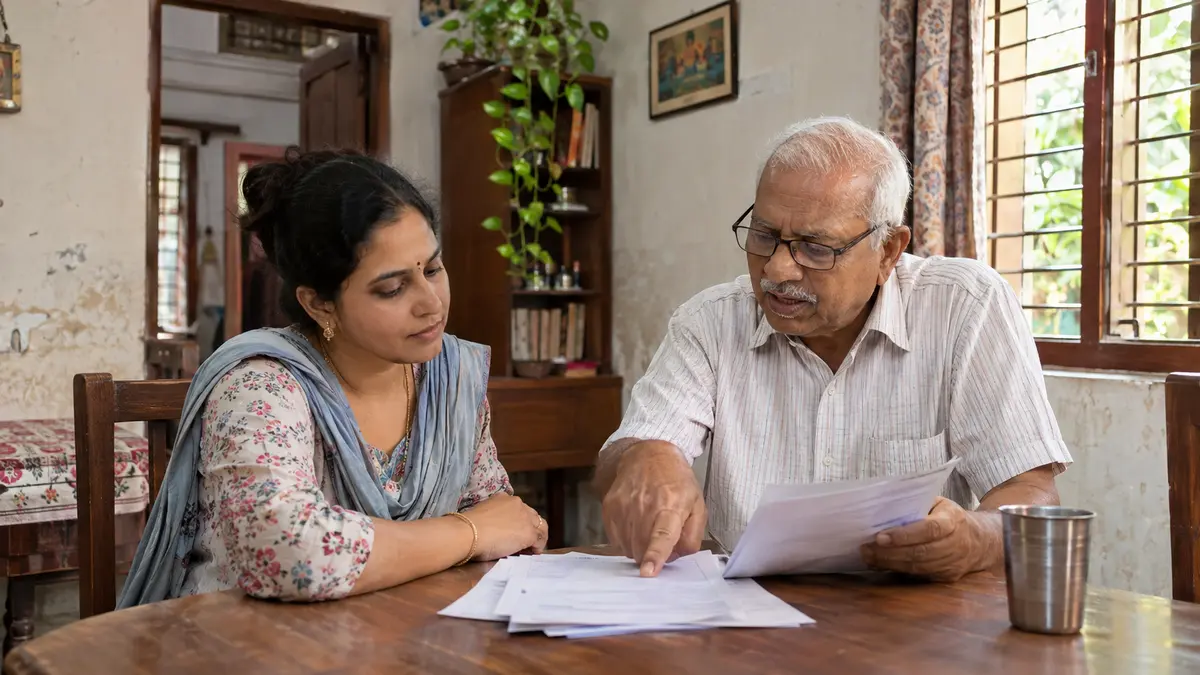
Singh Cancer, Maxfac & Dental Center is a multidisciplinary outpatient clinic in Kalyanpur offering oral and maxillofacial care and specialist consultations. Whether the visit concerns a new symptom, an injury or follow-up after earlier care, a caregiver can help with practical tasks without taking over decisions.
Agree on the kind of support wanted
Ask the person what would make the appointment easier. They may want help arranging transport, carrying documents, taking notes or explaining a concern. They may prefer to speak with the clinician alone for some or all of the discussion. Treat that preference as theirs to set and change.
Before joining a consultation, ask the patient’s permission. Let them introduce their concern and answer questions directly when they can. If they want you to add information, agree on how—such as filling in dates or reminding them about a question. Avoid sharing private details with others unless the patient agrees.
Make a simple timeline, not a diagnosis
Write down when the concern began and what has changed since then. Include relevant events such as an injury, when symptoms appeared, whether they have improved or worsened, and any previous visits or care. Use the person’s own words where possible. A brief timeline helps recall; it does not need to explain what caused the problem.
Note what care has already taken place and when. If some dates or details are uncertain, mark them as approximate rather than guessing. Do not delay urgent assessment to complete a history.
Gather records already available
Collect existing reports, referral letters and other relevant records the patient has. Bring a current list of medicines, including dose if known, and any known allergies or past reactions. If the patient does not know a detail, say so; do not infer it.
Do not arrange new imaging or tests just for the appointment unless a clinician has advised them. If an earlier scan or report exists, ask the clinic whether the patient should bring the report, images or both. Keep documents together and return them to the patient after the visit.
Plan the journey and prepare questions
Think through transport, travel time and any mobility or communication support the patient says they need. Ask what would help with getting from the vehicle to the consultation and carrying papers. Do not assume particular facilities or assistance are available; contact the clinic ahead of the visit to ask practical questions.
Write down questions before leaving home. For example: What do the findings mean? What options may be considered, and what are their risks and alternatives? What costs should the patient ask about? What follow-up may be needed? The clinician can explain which questions can be answered at this visit. Do not assume a particular treatment will be recommended or provided.
Listen, clarify and record agreed next steps
During the discussion, let the patient lead wherever possible. Ask permission before taking notes or repeating information. If something is unclear, ask for it to be explained in plain language. The patient can ask about findings, possible options, risks, alternatives, fees and follow-up before deciding what they want to do.
At the end, write down the next steps the patient and clinician agree on, including any follow-up instructions or questions still to resolve. Confirm who will do each practical task. Share notes or updates with family only with the patient’s consent.
When not to wait for an outpatient visit
Breathing or swallowing difficulty, uncontrolled bleeding or major facial injury needs urgent emergency assessment rather than waiting for a scheduled outpatient consultation. Seek emergency care promptly.
Printable preparation checklist
- Ask what help the patient wants and whether you may join the discussion.
- Write a short symptom, injury and previous-care timeline.
- Pack existing reports, referral letters and a medication and allergy list.
- Plan transport and requested mobility or communication support.
- Bring questions about findings, options, risks, alternatives, fees and follow-up.
- Agree how to record next steps and what may be shared with others.
Common questions
Should we get a scan before the appointment?
No—not unless a clinician has advised new imaging. Bring relevant reports or images already available, and ask the clinic what records are useful.
Can a family member answer questions for the patient?
Offer help if the patient wants it. The patient should have space to speak for themselves where possible, and decide whether you join or contribute.
What if we do not know a date or medication detail?
Say that it is unknown or approximate. A clear uncertainty is more useful than a guessed answer.
For practical preparation, use the caregiver visit planner for jaw and facial consultations. Learn about oral and maxillofacial care, explore specialist consultations, or see visit and contact information to plan the journey.